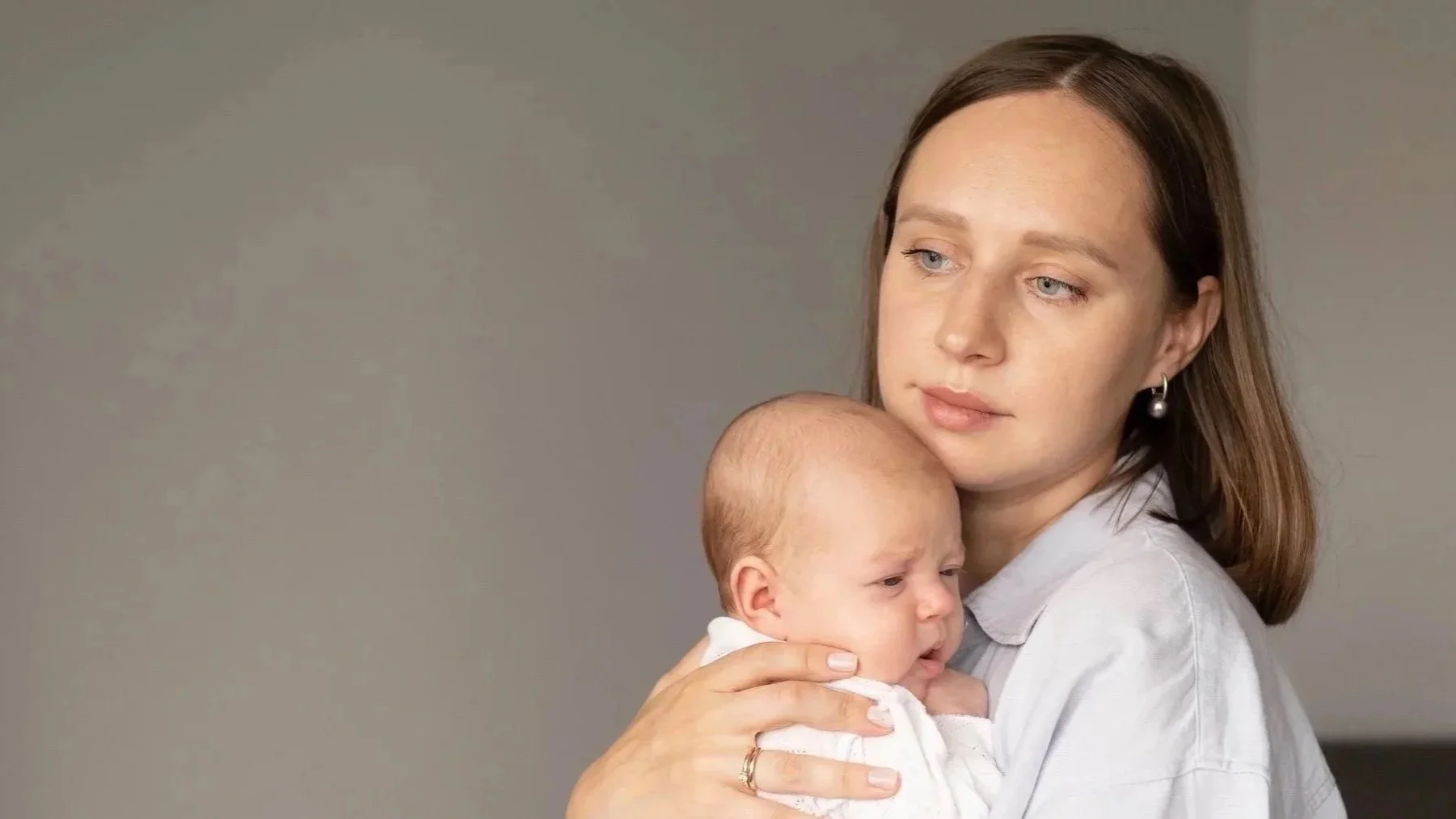
Are you pregnant, recovering after having a baby, or experiencing pain and discomfort that's affecting how you feel?
At Churchdown Osteopaths, we support women through pregnancy, postnatal recovery, and longer-term pelvic and musculoskeletal health concerns.
Using a thoughtful, hands-on approach, we help you feel more comfortable, more balanced, and more confident in your body as it changes.
Do any of these sound familiar?
You might recognise some of these:
Discomfort through your back, pelvis or ribs during pregnancy
Ongoing symptoms after birth, or a feeling your body hasn’t fully recovered
Weakness or lack of support through your core, maybe with a separation of your abdominal muscles (diastasis recti)
A feeling of heaviness, pressure or dragging through the pelvis, that may relate to prolapse-type symptoms
Changes in bladder control or pelvic floor function
Ongoing or cyclical pelvic pain, including conditions such as endometriosis
Difficulty returning to exercise or feeling confident in your body again
Headaches, neck or back tension that seem to fluctuate with hormonal changes
These kinds of symptoms are common, but they're not always openly talked about, and it's not always clear where to turn for support. That's exactly what we're here for.
Here’s how we can help
Supporting women through pregnancy, postnatal recovery and longer-term physical health concerns is an important part of what we do at Churchdown Osteopaths.
We've been caring for women at every stage of life for over 45 years, and it's an area our whole team treats regularly and with genuine care.
Our approach is always hands-on, always tailored to you, and always guided by what your body actually needs rather than a fixed plan or programme.
Whether you're coming with a specific concern or simply a feeling that something isn't quite right, we'll take the time to understand your experience before anything else.
What to expect
We aim to keep the process simple and supportive.
-
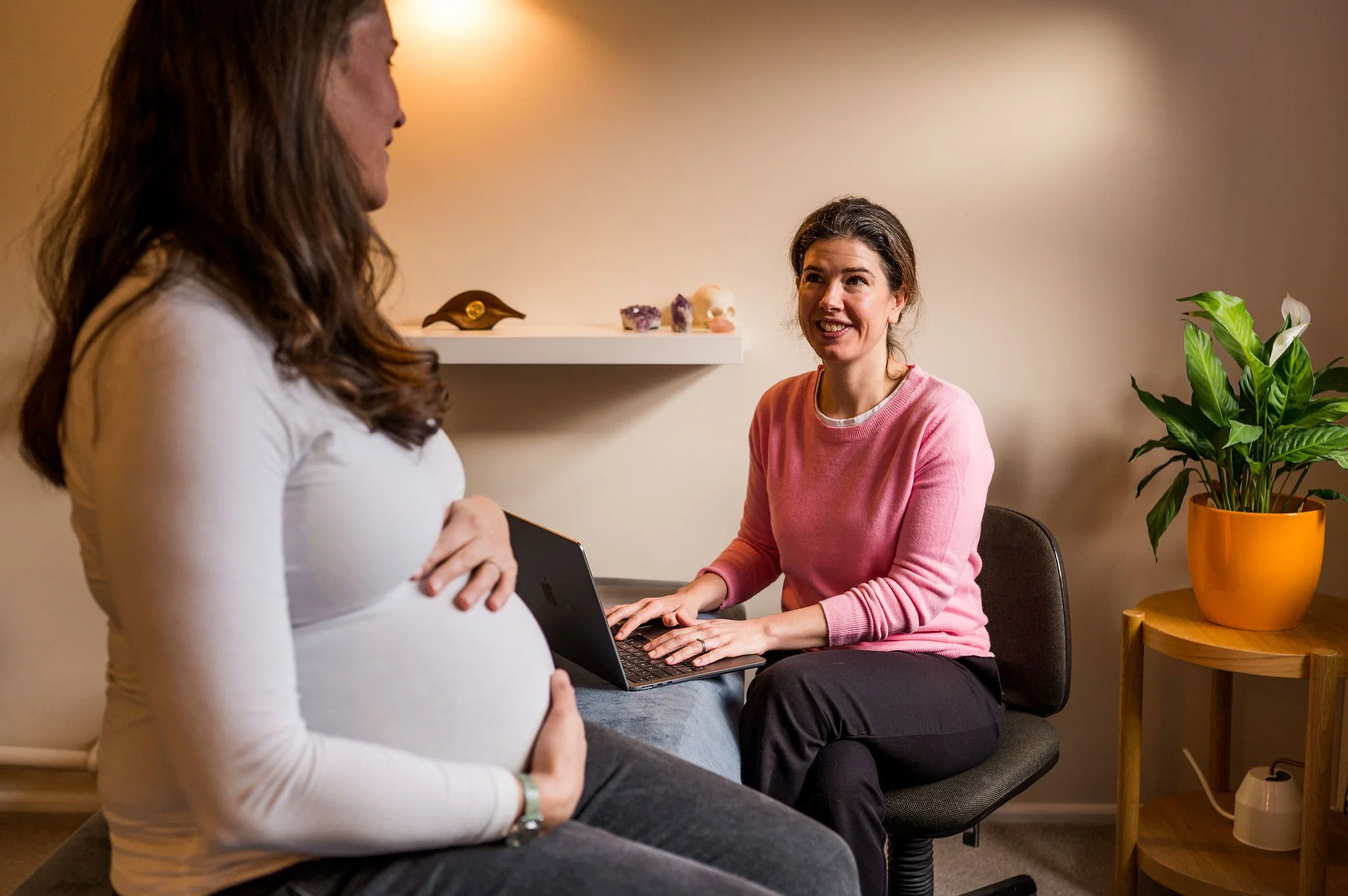
Step 1. Comprehensive consultation
We begin by taking time to understand what you’ve been experiencing, how things have changed, and what feels most important to you. This might include your experience during pregnancy, recovery after birth, or any ongoing symptoms you’ve noticed over time.
We’ll also look at how your body is moving and functioning, so we can build a clear picture of what may be contributing to your symptoms before any hands-on treatment begins.
-
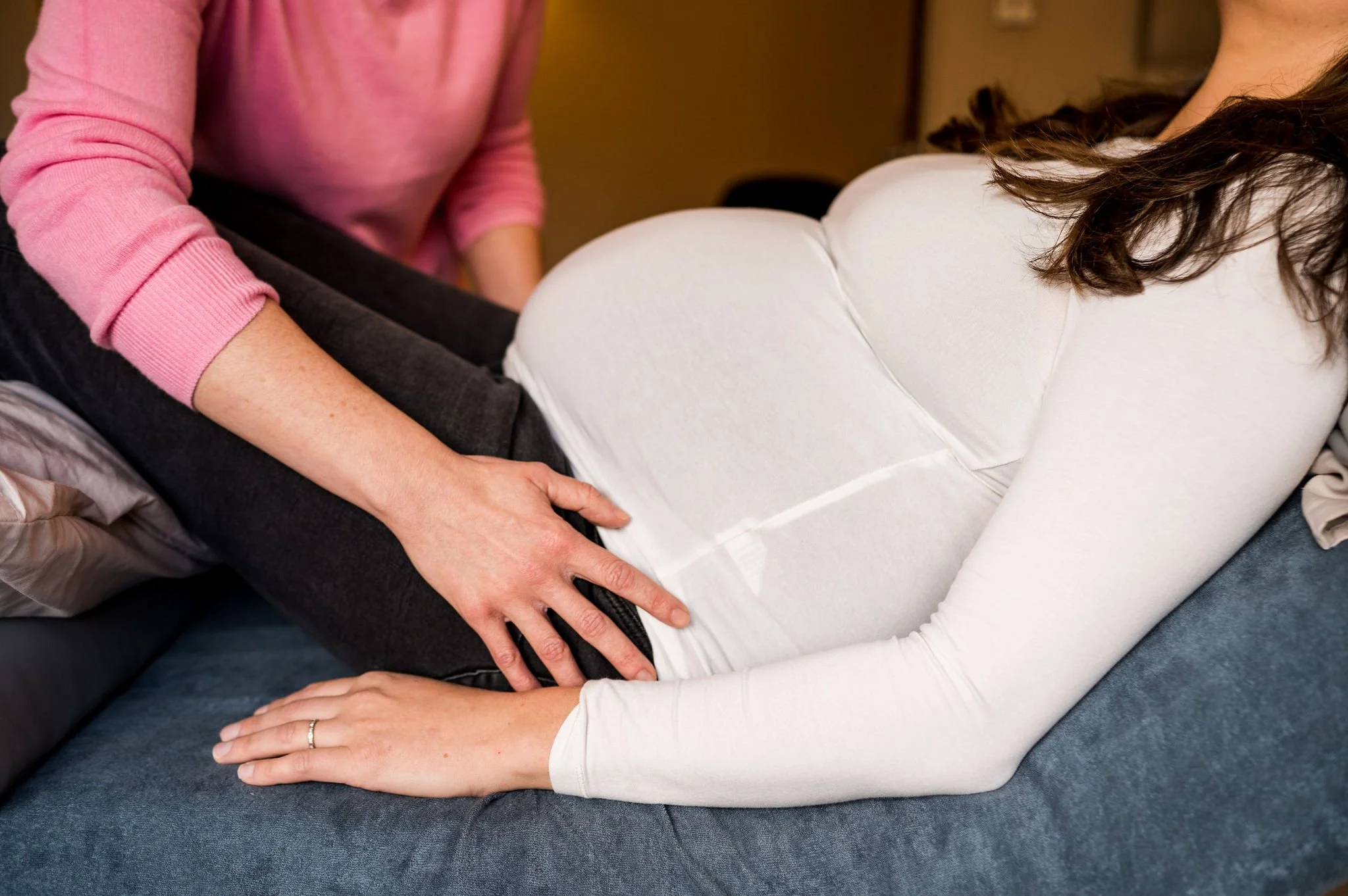
Step 2. Exceptional hands-on treatment
Treatment is always guided by how your body is feeling on the day. We use a range of gentle, hands-on techniques to help ease areas of tension, improve movement, and support how your body is adapting.
This may be more direct at times, or more subtle when your body needs a quieter approach, particularly during pregnancy or in the postnatal period.
-
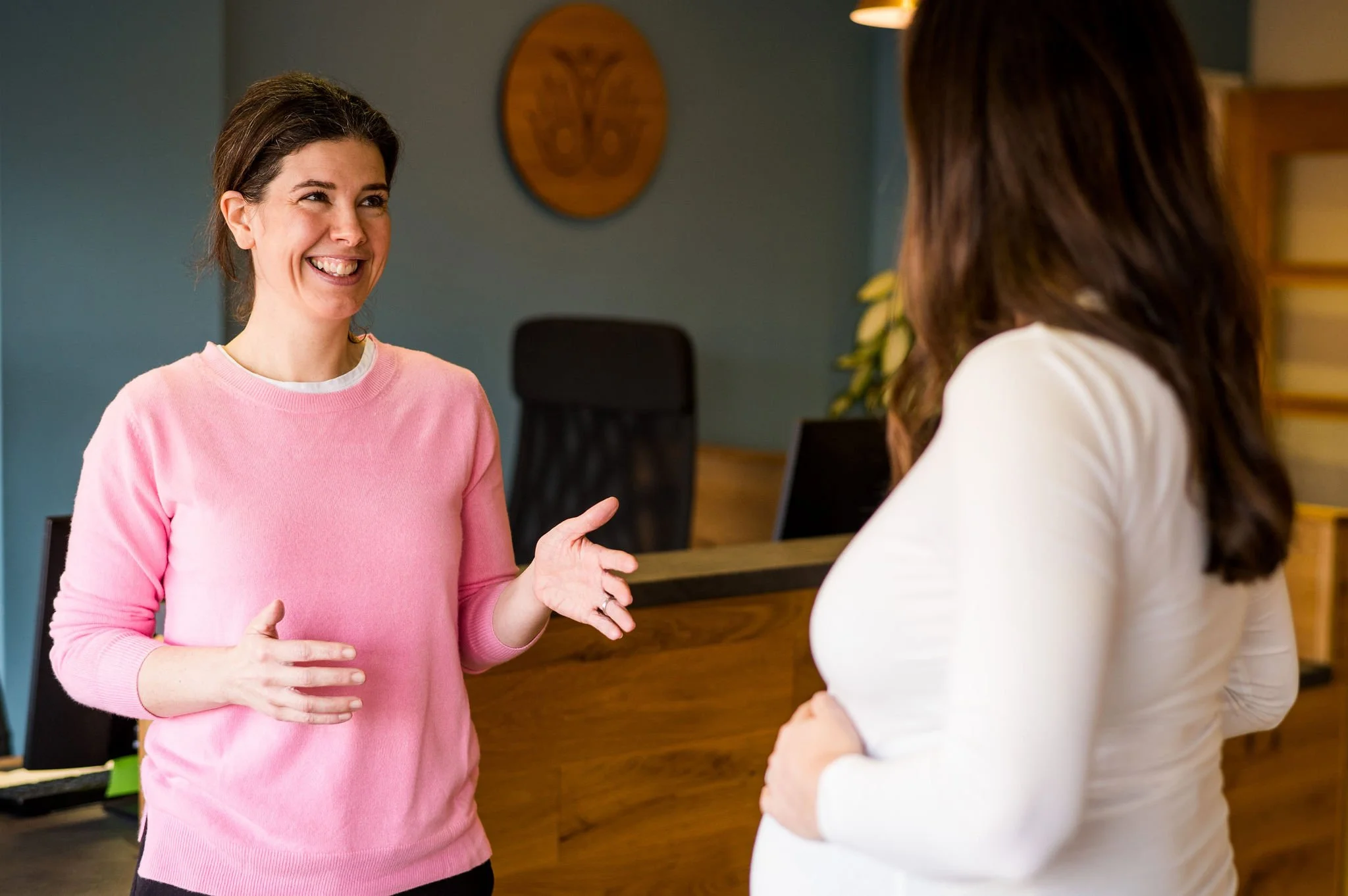
Step 3. Feeling like yourself again
Alongside treatment, we’ll look at how to support you between sessions and over time. This might include simple, realistic guidance around movement, exercise, or daily activity, helping you feel more confident in your body as it recovers and adapts.
The aim is not just short-term relief, but helping you feel more supported and comfortable as things move forward.

Supporting you through different stages of life
Women's health concerns don't sit in just one phase of life. They can begin early, change over time, and often show up differently as your body adapts.
Within the practice, we commonly support women across a range of stages:
Menstrual cycle and hormonal health Including recurring pain, tension, or symptoms that seem to fluctuate through the month, as well as support around fertility and preparing your body for pregnancy.
Pregnancy and postnatal recovery Supporting your body through the physical demands of pregnancy, labour, and the early weeks and months of recovery after birth.
Pelvic health and ongoing symptoms Including pelvic discomfort, feelings of heaviness or pressure, changes in bladder control, and reduced core strength or support.
Perimenopause and menopause As your body adapts with age, changes in hormones can affect strength, stability, joint comfort and overall wellbeing in ways that aren't always easy to unpick.
All of our osteopaths support women across these stages, using the same thoughtful, hands-on approach. Care is always tailored to you, and what your body needs at that point in time.
A thoughtful, supportive approach to Postnatal Recovery
The period after having a baby places a significant demand on your body.
During pregnancy, your body adapts over many months, with changes in posture, strength and support. Labour then places its own strain on the body, whether it has been straightforward or more complex.
After this, you are adjusting to feeding, carrying and caring for your baby at a time when your body is still recovering and your core strength has not fully returned.
It is very common for things not to fully settle on their own. You may notice ongoing discomfort, a feeling of weakness or instability, or simply that your body does not feel quite the same.
Supporting postnatal recovery is a core part of osteopathic care, and all of our practitioners regularly work with women during this stage.
We use a hands-on approach to help ease tension, improve movement and support your body as it recovers.
Care is always tailored to you, whether you are looking to address a specific issue or simply feel more comfortable and confident in your body again.
Appointments:
Initial New Patient Appointment from £85
Follow Up Treatments from £60
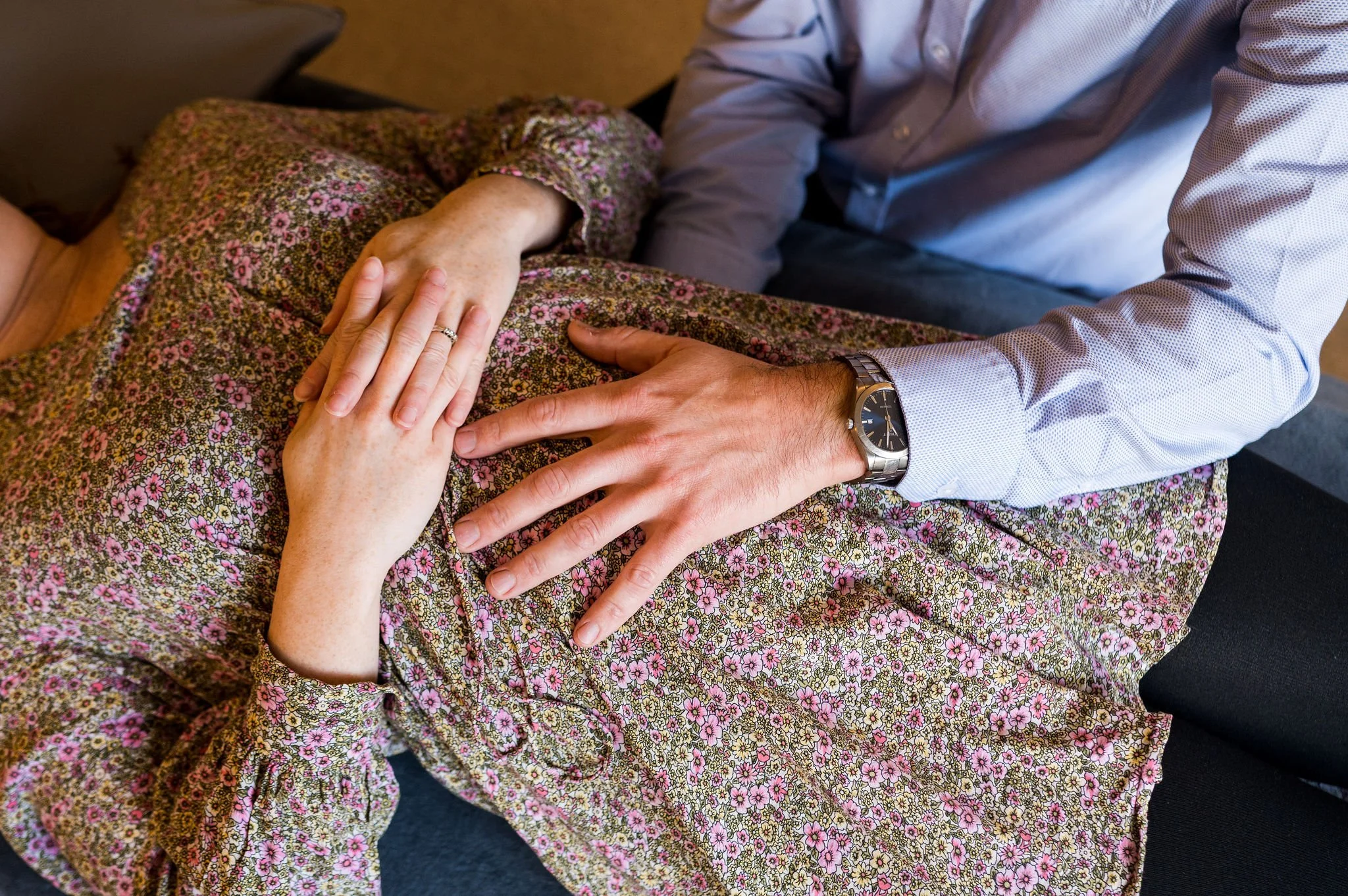

Mummy MOT® postnatal assessment
A Mummy MOT is a structured, in-depth postnatal assessment designed to look more closely at how your body has recovered after pregnancy and birth.
It is often recommended from around six to eight weeks after birth, though it can also be helpful at any stage after if recovery does not feel complete.
While many of the same areas may be considered within a standard osteopathic appointment, a Mummy MOT takes a more detailed and specific approach.
This may include a focused assessment of:
pelvic floor function
abdominal muscle recovery (including diastasis recti)
how your body is supporting you in movement and activity
symptoms such as heaviness, instability or changes in bladder control
readiness to return to exercise
This helps build a clearer understanding of how your body is functioning, along with more specific guidance on how to move forward.
Within the practice, this is offered by Suzy Croskell, who has undertaken additional training in this area.
Alongside the structured assessment, Suzy brings an osteopathic perspective, considering how your body is working as a whole, not just the individual elements being assessed.
For some women, this level of detail and guidance is particularly helpful, especially if recovery feels slower than expected, symptoms are ongoing, or there is uncertainty about how to move forward. For others, a standard osteopathic appointment may be the right place to start.
Appointments
New Patient Mummy MOT with Suzy Croskell £105
Follow Up Mummy MOT £60
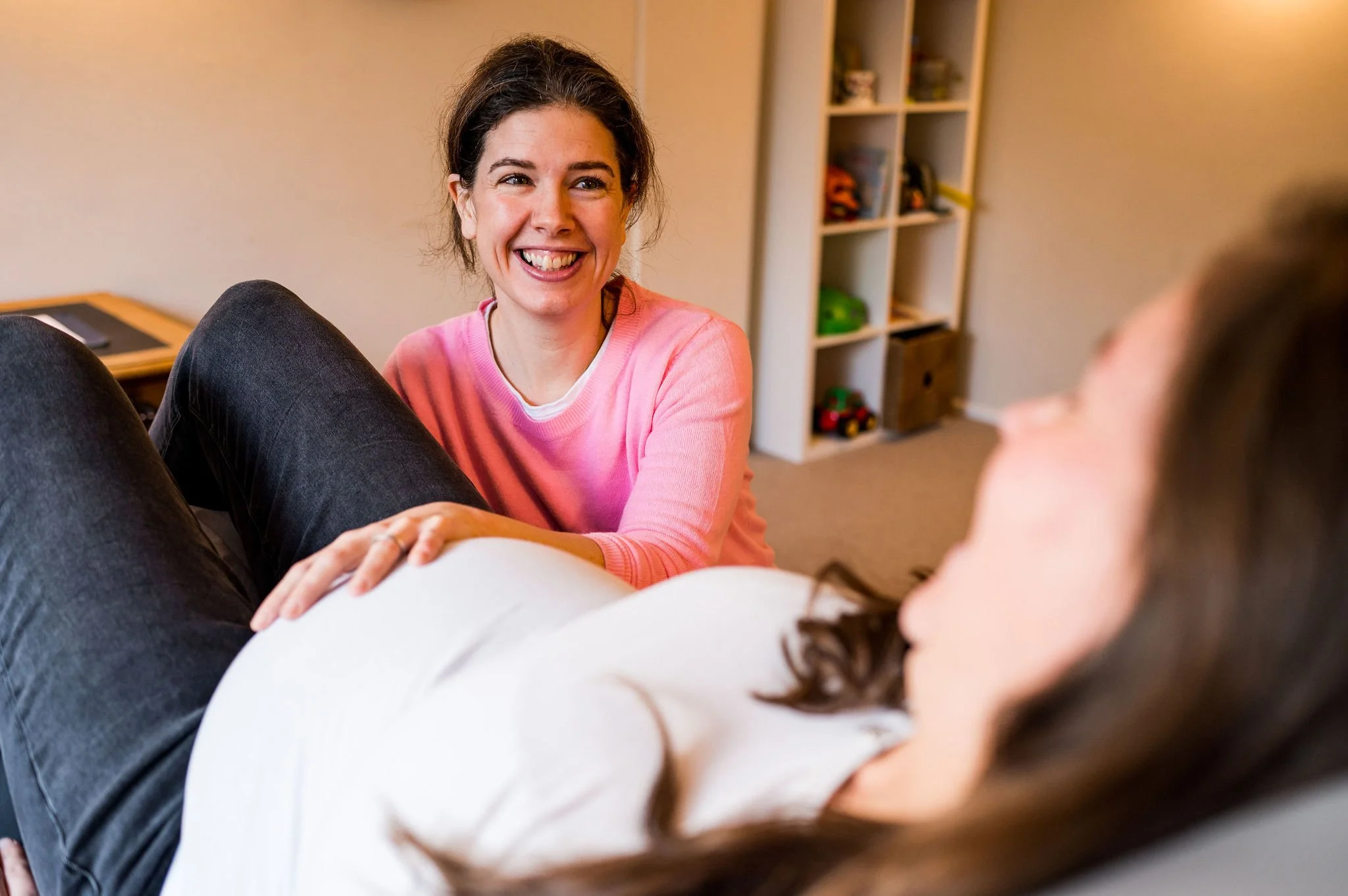
Suzy Croskell
Osteopath with a specialist interest in Women's Health
Meet Suzy
Suzy has developed a particular focus within women’s health osteopathy, supporting women through pregnancy, postnatal recovery, pelvic health concerns and hormonal health.
She regularly works with women who feel their body has not fully recovered, or who are managing ongoing symptoms affecting their comfort and confidence.
She has undertaken further training in this area, including gaining a diploma in women’s health osteopathy through the Molinari Institute and qualifying as a Mummy MOT practitioner, alongside additional courses in women’s health.
While all of our osteopaths support women’s health as part of their work, Suzy offers additional experience within this area. If you feel your symptoms are more specific or would benefit from a more focused approach, you may find it helpful to see her, and we are always happy to guide you on what might be most appropriate.
Frequently Asked Questions
-
Many women come to see us after having a baby with ongoing discomfort or a feeling that their body hasn’t fully recovered. Osteopathic care can help support recovery and improve comfort and movement.
-
In most cases, you can come for osteopathic treatment as soon as you feel ready.
For some women, this may be within the first few weeks after birth. For others, it may be later once things have settled a little. We will always take your individual circumstances into account.
-
Yes. Treatment can be adapted to suit your stage of recovery, whether you have had a caesarean section or a more complex birth.
We will always work carefully and within your comfort, taking into account healing, sensitivity, and how your body is feeling at the time.
-
Many changes through pregnancy and birth are completely normal, and for some women these settle naturally over time.
However, it is also common for symptoms such as back pain, pelvic discomfort, or a feeling of weakness or instability to persist beyond the early weeks. If something does not feel right, it is worth having it checked.
-
Yes. Many women come for treatment months or even years after having a baby, often because something has never quite felt the same.
It is never too late to seek support, and treatment can still be helpful in improving comfort, movement, and confidence in your body.
-
A Mummy MOT is a structured postnatal assessment looking at areas such as abdominal recovery, pelvic floor function and return to activity. Within the practice, this is integrated into our osteopathic approach.
-
A standard osteopathic appointment looks at your symptoms in the context of your whole body, using hands-on treatment and guidance to support your recovery.
A Mummy MOT is a more structured and detailed postnatal assessment, focusing specifically on areas such as pelvic floor function, abdominal recovery, and readiness to return to exercise.
Some women benefit from starting with a standard appointment, while others prefer the additional detail of a Mummy MOT. We can help guide you based on what feels most appropriate.
-
In most cases, osteopathic treatment is entirely external and hands-on.
In some situations, a more detailed pelvic floor assessment may be helpful. This is something Suzy is trained to offer as part of her women’s health work, and may be included within a Mummy MOT or, where appropriate, within a standard appointment.
Internal assessment is never routine. It is only considered when it may be helpful, and is always discussed with you beforehand and carried out with your full understanding and consent.
If this is not something you feel comfortable with, there are always other ways we can support you.
-
Not necessarily. All of our practitioners support a wide range of concerns. Suzy has developed a particular focus in this area, so you may choose to see her if this feels especially relevant.
-
No — we also support women with longer-term concerns such as ongoing discomfort, changes in strength or stability, or issues that have developed over time.
-
This varies depending on what you're coming with and how your body responds, so we always tailor our approach to you rather than following a fixed programme.
That said, most women find that an initial course of two to four sessions gives a good foundation, with some choosing to continue with occasional maintenance appointments after that.
We'll always give you an honest picture of how things are progressing and what we'd recommend at each stage.
-
Yes. If something doesn’t feel quite right, we’re happy to explore it with you and see whether osteopathic care may be helpful.
To book appointments:
Would you still like to find out more?
If you’re interested but would like to discuss this further, please do fill out the form below to arrange a telephone chat with one of our Osteopaths
Find Us:
102 Chosen Drive
Churchdown, Gloucestershire
GL3 2QU
We are located in Churchdown, between Cheltenham and Gloucester, minutes from junction 11 & 11A of the M5
Our practice is a proper shop frontage next to the newsagents, with easy parking directly outside